
Caring for oily, acne-prone skin isn't easy, especially if you're looking to introduce cosmetics based on natural fats. How can you safely introduce oils into your skincare routine and quickly recognize a negative skin reaction?
Do oils make sense in oily skin care?
For many people, no. Oily skin produces its own adequate amount of natural sebum, which provides essential lipid components. The problem arises when the lipid balance becomes imbalanced – the sebaceous glands, for some reason, produce excessive amounts of sebum, or there is a deficit of valuable fatty components despite excessive seborrhea.
Causes include strong detergents and foaming substances that intensely degrease the epidermis, exfoliants that damage the hydrolipid barrier, and low temperatures that require greater protection. Problems can also arise from skincare products that are too light, failing to adequately protect the epidermis and increasing water loss.
Very often, it turns out that the oils used normalize the function of the sebaceous glands and positively influence the composition of sebum. To some extent, they compensate for the lubrication that even oily skin requires to function properly.
It's important to realize, however, that oil formulas won't work on all oily skin types, especially if they're left on. People with oily, dehydrating skin will react completely differently to fatty substances (seborrhea, in this case, is exacerbated by the skin's lack of protection against dryness) than those with oily skin. This isn't due to dryness, but rather to hormonal imbalances. The first symptoms that should alarm you with regular oil use include excessively enlarged pores, a dull, stale appearance, discoloration, and a greater tendency for deeper-seated lesions to develop – not only inflammatory but also developing infiltrative lesions.

Which oil should I choose?
Theoretically, oils resembling light silicones work best on oily skin - their light, absorbable consistency allows for the application of very little fat to the skin, and the fatty composition (high content of omega-6 and omega-3) gives the oil very good slip, quick absorption and does not cause a feeling of heaviness.
The group of very light oils includes primarily oils from the seeds and pits of berries: strawberries, raspberries, blackberries, blueberries, and cranberries. Tea seed, tomato, and hemp seed oils also have a very light consistency.
However, this division doesn't always hold true in practice. In fact, depending on the needs, heavier oils can work just as well on oily skin, but they should be applied with greater caution – due to their heavier, thicker consistency, they will always require warming beforehand and application to damp skin. It's important to pay attention not only to the oil's lipid composition but also to its active ingredients. Many oils have unique properties, but despite their consistency, they are recommended for specific skin types, for example, tamanu oil for oily and acne-prone skin.
Oils richer in saturated fats and omega-9 can be particularly effective on oily skin types that are also severely dehydrated or prone to dryness—for example, mature skin or skin subjected to long-term dermatological treatment. Avocado oil, plum seed oil, or wheat germ oil can also work very well.
Generally, saturated fats are less effective on oily skin types because they coat the epidermis. On the other hand, they are excellent for cleansing because they bind dirt perfectly and are easily removed from the skin with accessories.

How to use them safely if you have oily skin?
First of all, oils are fantastic when rinsed off, especially when cleansing. Oils bind very gently to sebum and fatty impurities on the skin and are equally gently removed, although appropriate cleansing products or a method for mechanically removing oil from the skin are necessary.
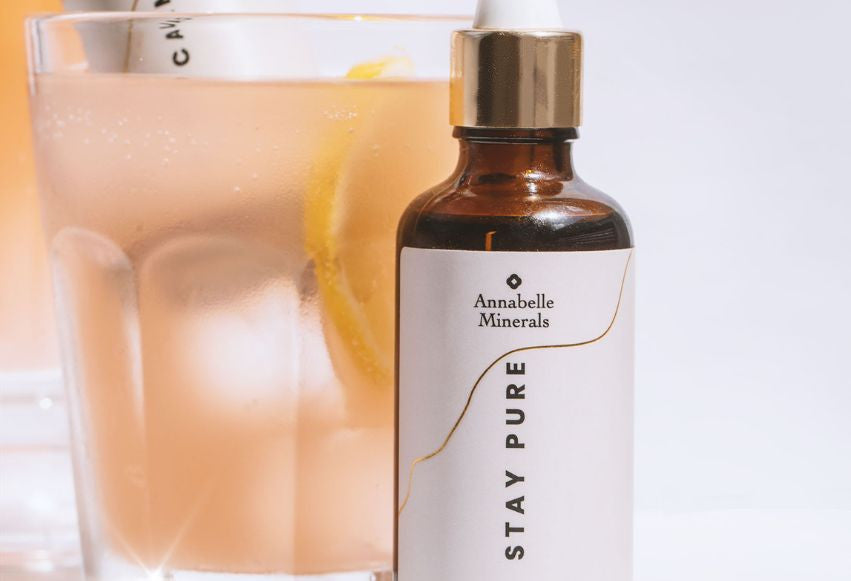
However, their excellent binding properties shouldn't be questioned – nothing binds to oil as well as oil itself. Depending on the amount of dirt and its severity, cleansing oils, creams, and emulsions are far better at cleansing oily skin than gels and soaps, which over-degrease the skin and strip it of its natural oils, thus causing an imbalance. I particularly recommend Annabelle Minerals' Stay Pure oil. Using it, you can develop your ideal cleansing method.
You can safely add oils, even undiluted, to a cleansing gel or emulsion/cream, which can be too harsh to rinse off and cause tightness. The added fat not only softens the effects of detergents but also protects the skin from drying out and provides a small dose of lubrication, allowing you to avoid using additional cosmetics and significantly simplifying your skincare routine.
More problems arise when oils are used undiluted. Of course, they can be added to creams, serums, gels, or essences, which can dry out the skin too quickly, but many people, and rightly so, are wary of using oils on their own.
Oils themselves don't moisturize – if you truly need a strong coating, an oil serum can be a crucial step in your skincare routine, as it will balance the needs and thus prevent excessive sebaceous gland activity. However, keep in mind that it can actually do the opposite.
First and foremost, oils should always be applied in small amounts, preferably warmed or applied to damp skin, and in the presence of cosmetics containing water and additives that bind it. It's also important to closely monitor the skin's condition to react quickly in the event of a negative reaction.
Oils in oily skin care are a difficult and ambiguous topic. There are both proponents and opponents of their use. Above all, pay attention to your skin and don't give up on using them, especially in cleansing steps.
Ewa Szałkowska – young , ambitious, and creative. Passionate about art, a lover of good food and dark chocolate, she has been passionate about mineral makeup for several years and is learning it from the ground up. With immense passion, she runs a unique online space where she shares her knowledge and experience in skincare for problematic skin in an accessible and creative way. Founder and author of the blog www.ewaszalkowska.com